
About Light Guide Prototyping
s methods for prototyping resin products, injection molding using prototype molds or fabrication with 3D printers are available.
However, both methods have limitations in terms of the finished quality when used for prototyping optical components such as light guides.
As a manufacturer specializing in transparent resin light guides, we primarily produce prototypes using machining.
Features of Our Machined Prototyping
In principle, we traditionally proceed with development without prototypes; however, we sometimes receive requests for prototypes from customers.
Rather than simply producing a shape for optical evaluation and verification, we place emphasis on an integrated approach that considers design, machining, optical verification, and mass production feasibility as a whole.
Design → Machining → Surface finishing → Optical measurement → Feedback to design
Through this process, discrepancies between the optical characteristics in the design and those of the actual product can be minimized.
Design
Based on the customer’s required specifications and concept, we carry out shape design and optical simulation.
There are differences between shapes that can be machined and shapes that can be manufactured with mass production molds, and we proceed with the design while taking these differences into account.
We also propose appropriate prism structures and surface textures (blast processing) required to achieve the desired optical characteristics.
Machining
- ■Maximum machining area
L600mm × W200mm x H250mm - ■Minimum corner radius
Proven capability of 0.05 mm - ■Materials
PMMA, PC, and materials containing diffusers, etc.
Please consult us regarding block fabrication and machining using the same materials as those used for mass production molding. - ■Surface treatment
Reproducible blast processing and polishing using custom machines - ■Equipment
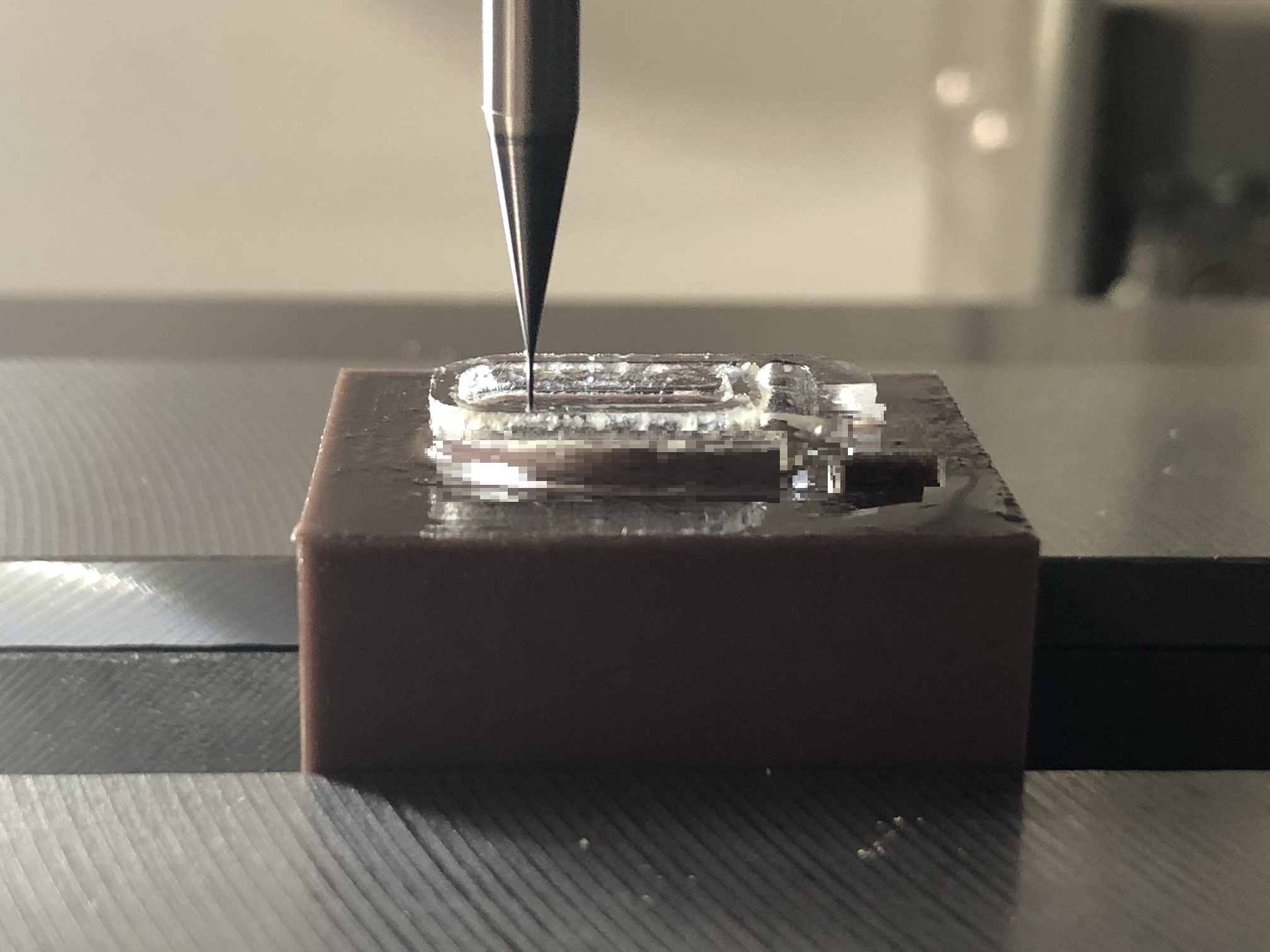
Ultra-precision machining centers
Optical Measurement
Depending on the presence of surrounding components, prototypes are measured under conditions as close as possible to those of mass production products.
Based on the optical measurement results of the prototypes, design modifications are reflected to shorten the development schedule.
In some cases, even when simulation and prototypes yield the same optical characteristics in data, there may be a gap between the expected image and the actual visual appearance.
By illuminating the prototype, such gaps can be identified and addressed at an early stage.
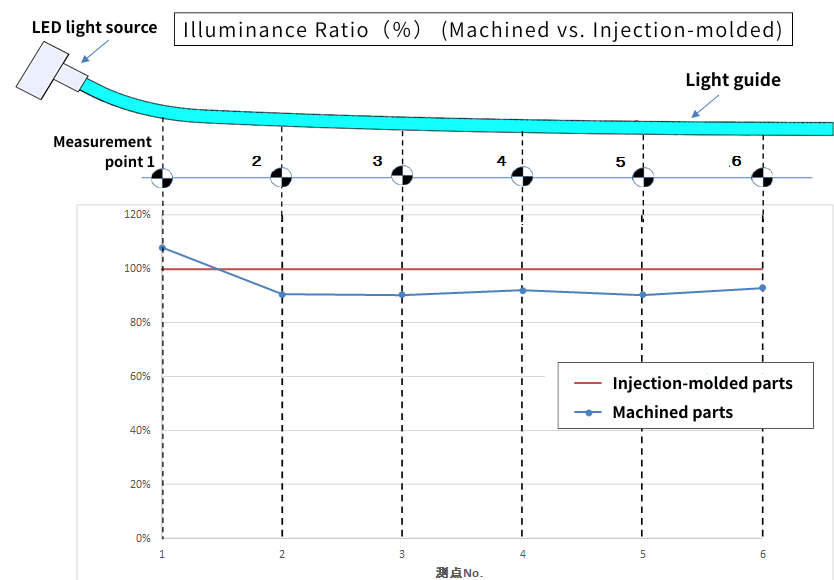
The figure on the right shows an example of illuminance comparison between a machined part and an injection-molded part produced with a mass production mold.
Depending on the product, equivalent optical characteristics can be achieved.
Comparison between a mass production product and a machined part fabricated from its 3D data.
Prototyping Experience with Acrylic and Polycarbonate
Examples of prototypes manufactured in our in-house factory.
Including blast processing of transparent resin and machining of diffuser-containing materials, we produce prototypes in a form close to the mass production product.
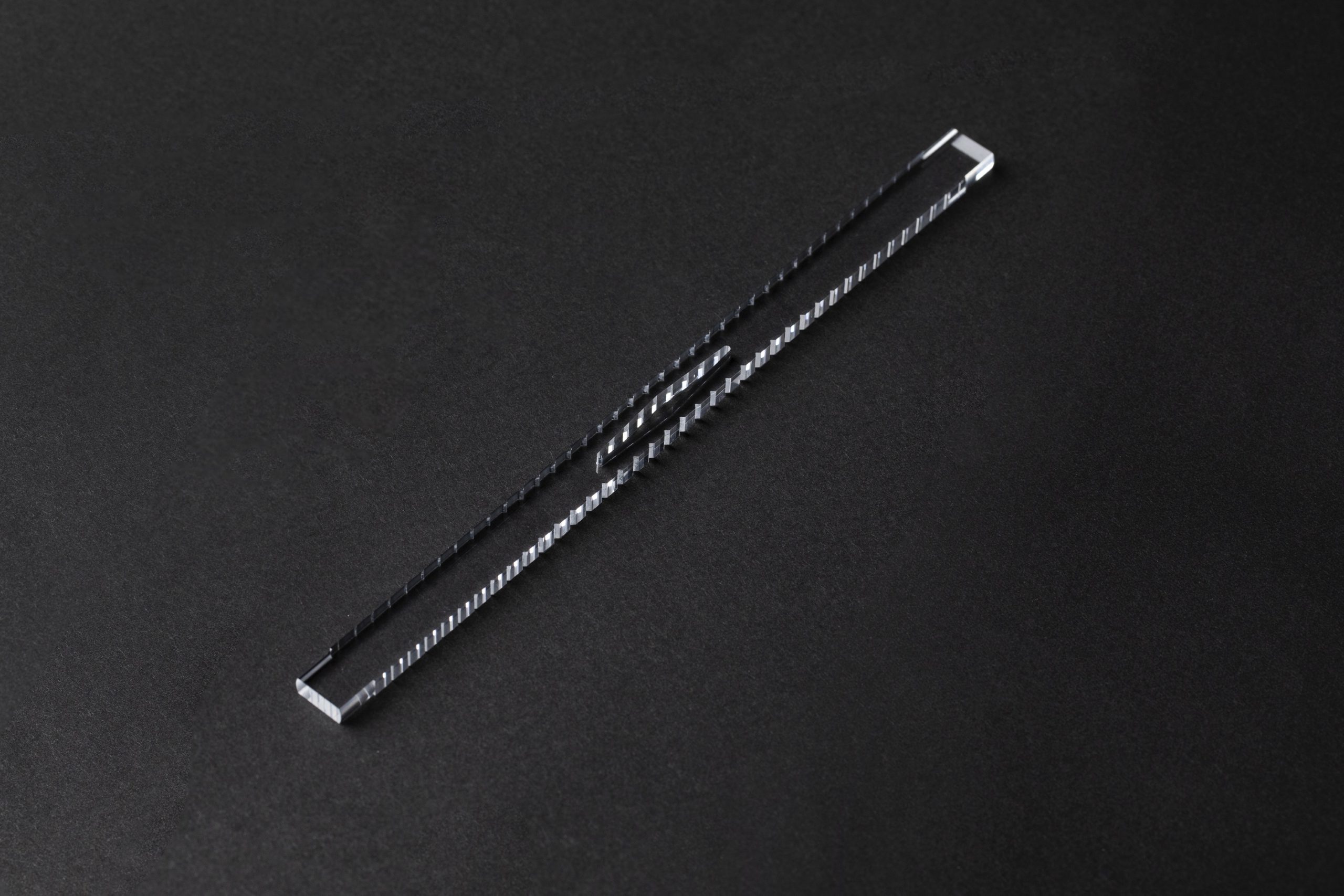
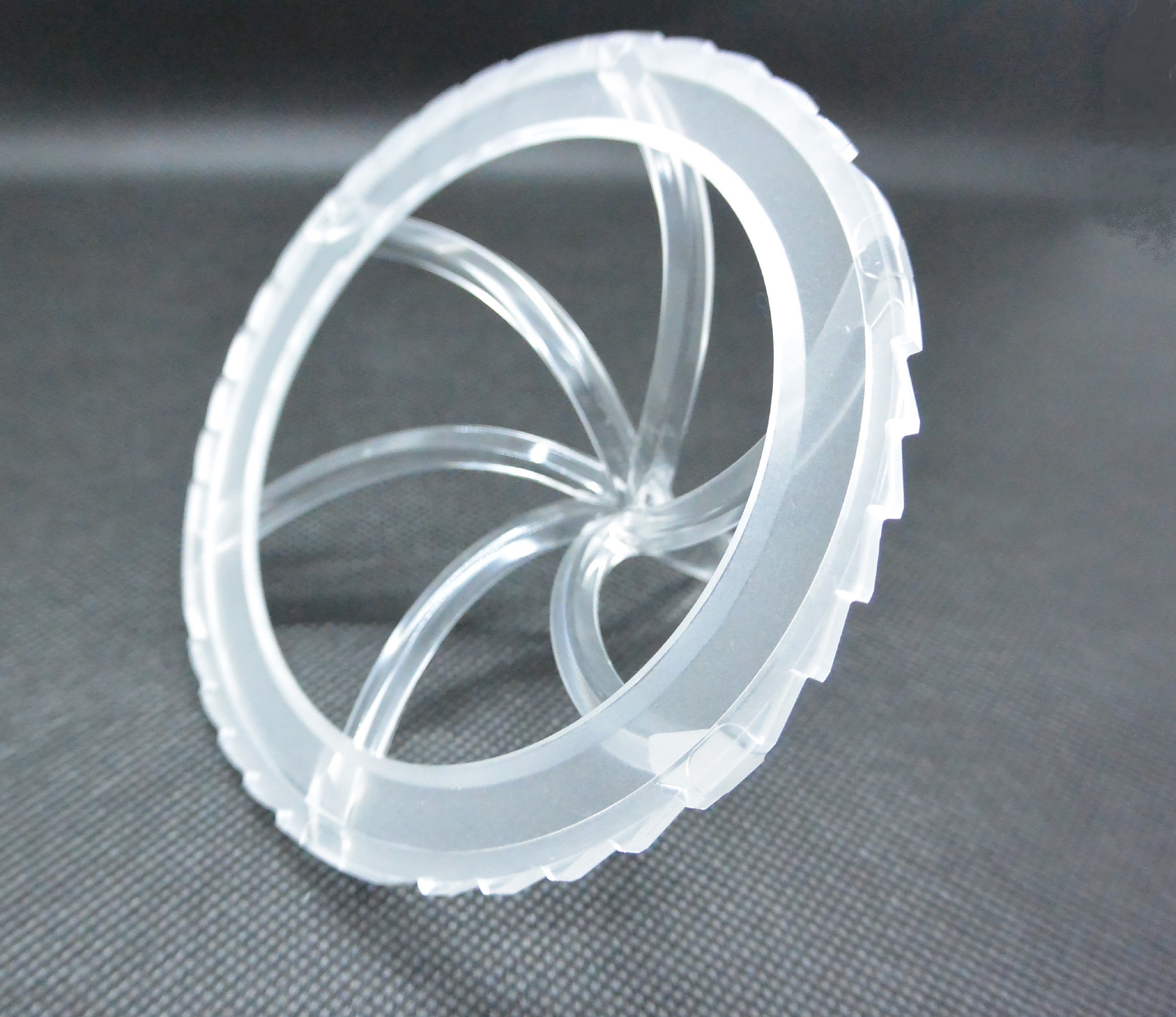
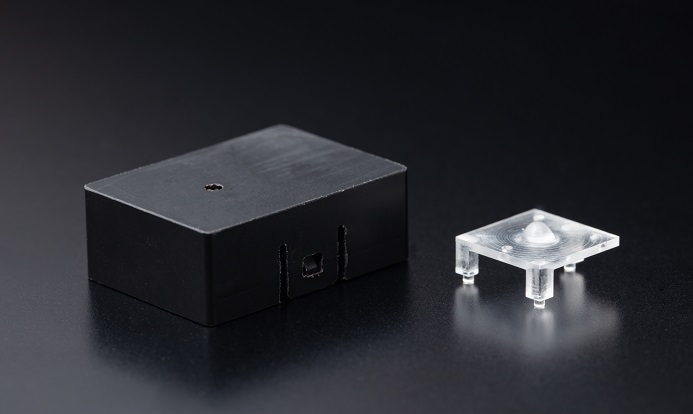
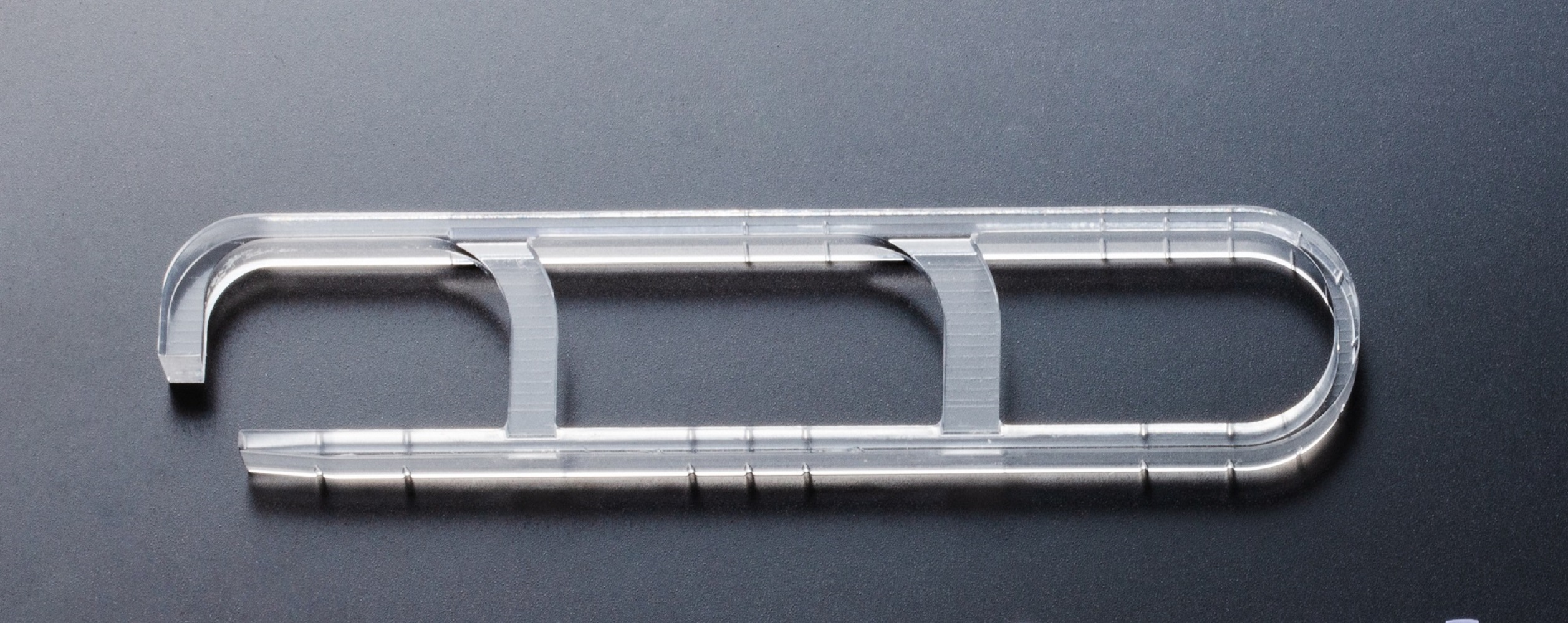
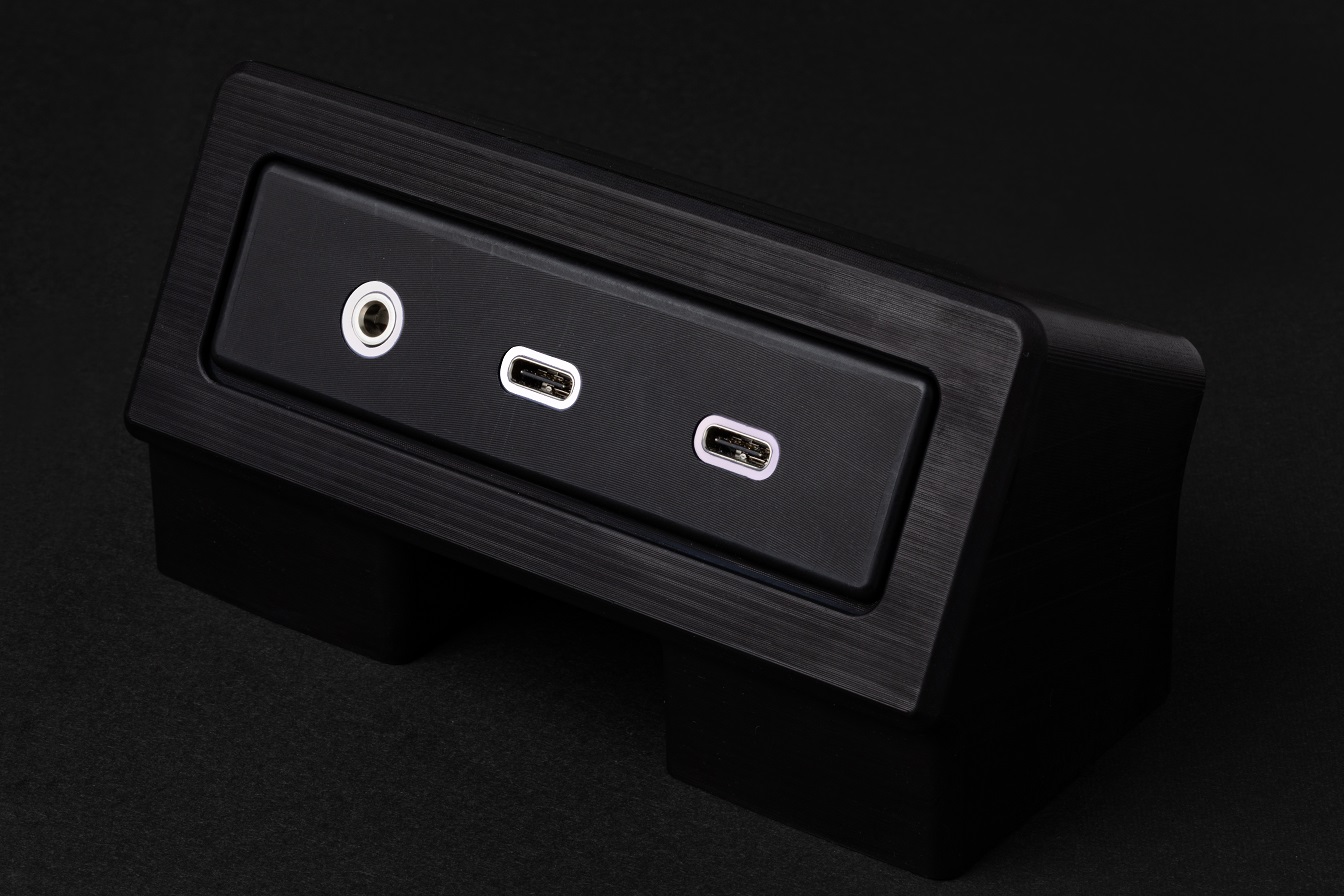
The light guide is machined; the case is produced with a 3D printer.
Inquiries Regarding Machined Prototyping
We also accept orders for one-off items such as display models and for small-lot production.
Please feel free to contact us regarding machining of transparent resin for applications other than light guides.



![株式会社押野電気製作所 [本社] 〒140-0011 東京都品川区東大井 5−12−10 大井朝陽ビル4階TEL:03-3471-8548(代)](/wp-content/themes/oshino/images/common/footer-about-en.svg?20211228)
